
Best Nitric Oxide Supplements for Blood Pressure (Backed by Science)
Discover the best nitric oxide supplements for blood pressure, including beetroot, L-citrulline, and combo formulas, plus safe daily dosing tips inside.


If you're trying to support healthy blood pressure without jumping straight to a cabinet full of prescriptions, nitric oxide supplements have probably caught your eye.
You see them in pre-workouts, "heart health" formulas, and beet powders. Some promise better circulation, lower blood pressure, and more energy. But which nitric oxide supplements actually make sense for blood pressure, and which are just marketing?
You're about to see how nitric oxide really works, which ingredients have the best research behind them, and how to choose a safe, effective product you can feel good about taking long term.
What is Nitric Oxide?
Nitric oxide (often shortened to NO) is a gas that your body makes on its own. You don't take nitric oxide directly: instead, you take nutrients that help your body produce more of it.
In simple terms, nitric oxide is a signaling molecule. Your blood vessels use it to tell their walls to relax and open. When that happens, blood flows more easily and pressure inside the vessels often drops.
Your body makes nitric oxide in two main ways:
1. From amino acids – mainly L-arginine and L-citrulline.
2. From nitrates – found in foods like beets, spinach, and arugula.
When you use nitric oxide supplements for blood pressure, you usually focus on one or both of those pathways: amino-acid-based formulas, nitrate-rich powders, or a combination of the two.
Why Nitric Oxide Matters for Blood Pressure
Your blood pressure depends on two big things: how hard your heart pumps and how tight or relaxed your blood vessels are.
Nitric oxide affects that second piece.
When your body makes enough nitric oxide:
Blood vessels relax and widen (vasodilation).
Blood flows more smoothly.
Your heart doesn't have to push as hard.
This can help support healthier blood pressure, especially the systolic number (the top number on your reading).
On the flip side, when nitric oxide levels drop:
Blood vessels can become stiffer and narrower.
Pressure inside them rises.
Your heart works harder over time.
Aging, inactivity, smoking, high-sugar diets, and chronic stress can all reduce nitric oxide production. That's why many people over 40 start looking at the best nitric oxide supplements for blood pressure as part of a broader lifestyle plan that also includes diet, exercise, and sleep.
You should never treat supplements as a replacement for medical care. But you can use nitric oxide support alongside your doctor's plan to help your blood vessels work the way they're supposed to.
The Best Nitric Oxide Supplements (Ranked)
You'll see dozens of formulas with "nitric oxide" on the label, but most fall into a few clear categories. Here's how they stack up when your main goal is blood pressure support.
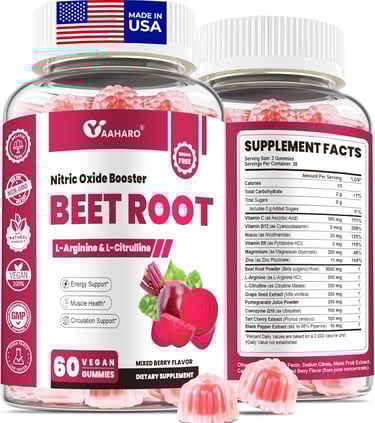
1. Beetroot Nitrate Powders or Capsules
For blood pressure, beetroot (and other vegetable-based nitrate formulas) sit at the top:
Provide natural nitrates that convert to nitric oxide.
Support both blood pressure and exercise performance.
Work well for daily, long-term use.
Look for:
Standardized nitrate content (often stated in mg per serving).
No heavy added sugars or artificial colors.
2. L-Citrulline (or Citrulline Malate)
L-citrulline helps your kidneys produce more L-arginine, which then turns into nitric oxide. You often see it in sports supplements, but it also has a meaningful impact on blood flow.
Benefits for you:
More reliable than taking L-arginine alone (your body uses it more efficiently).
Supports both blood pressure and workout pumps.
For blood pressure, look for 1.5–3 g per day in divided doses, unless your healthcare provider suggests otherwise.
3. L-Arginine
L-arginine used to be the go-to nitric oxide ingredient. It still helps, but it isn't always the best stand-alone choice for blood pressure:
Your gut and liver break down a lot of it before it reaches your bloodstream.
Some people notice stomach discomfort at higher doses.
You'll usually get the best results when you combine modest doses of L-arginine with either L-citrulline or nitrate-rich ingredients rather than relying on large doses of arginine alone.
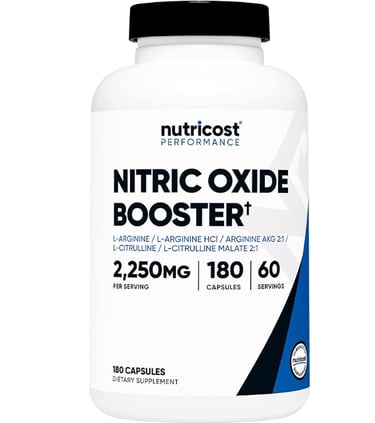
4. Combination "Cardio" Formulas
The most convenient option for many people is a well-designed cardiovascular support formula that includes:
Beetroot or vegetable nitrates
L-citrulline and/or L-arginine
Supportive nutrients (magnesium, vitamin D, vitamin K2, and antioxidants)
The advantage for you:
One scoop or a few capsules cover several mechanisms.
You don't have to build your own stack.
When you compare "best nitric oxide supplements for blood pressure," look closely at the label. Many flashy pre-workouts focus on short-term pumps for the gym, not steady, heart-friendly support you can take every day.
What About Magnesium?
Magnesium isn't a nitric oxide supplement on its own, but it matters for your blood pressure just as much.
Magnesium helps:
Relax your blood vessel walls.
Balance calcium, which affects contraction and tension.
Support nitric oxide production and protect it from breaking down too quickly.
Many people fall short on magnesium from diet alone. When that happens, you may feel more muscle tension, poor sleep, and less flexible blood vessels.
If your nitric oxide supplement already includes magnesium, that's a plus. If it doesn't, you can take a separate magnesium product. Good options include magnesium glycinate, magnesium malate, or magnesium taurate for heart health.
Always check with your doctor first if you have kidney issues or take medications that affect magnesium levels.
Who Benefits Most from Nitric Oxide Supplements?
Nitric oxide support isn't only for bodybuilders. You may benefit if you:
Have borderline or mildly elevated blood pressure and want extra lifestyle support.
Are over 40 and notice colder hands and feet or slower exercise recovery.
Sit for long periods and want to support healthy circulation.
Exercise regularly and want better blood flow with less strain on your heart.
You should use extra caution, and speak with your healthcare provider first, if you:
Already take blood pressure medications or nitrates.
Have a history of heart disease, stroke, or kidney problems.
Are pregnant, breastfeeding, or managing a complex medical condition.
In those cases, nitric oxide supplements may still help, but you need professional guidance, so you don't push your blood pressure too low or create unwanted interactions.
How to Choose a Quality Nitric Oxide Supplement
When you compare products, don't just look at the front label. Flip the bottle and check the details. You want a formula that's clean, dosed correctly, and transparent.
Use this checklist:
Clear forms and doses
You see exact amounts of beetroot, L-citrulline, L-arginine, and other key ingredients. Avoid blends that hide doses behind "proprietary" names.
Evidence-based ingredients
The formula uses nitrates, L-citrulline, or a smart combo, not random herbs with vague claims.
Reasonable serving size
You shouldn't need 10–12 capsules per day to reach effective doses.
Third-party testing
Look for statements about testing for purity, heavy metals, and label accuracy.
Low in junk
Avoid heavy artificial colors, sweeteners you don't tolerate well, and unnecessary fillers.
If a company won't show you full labels or testing details, move on. There are plenty of nitric oxide supplements for blood pressure that take quality control seriously.
How to Take Nitric Oxide
How you take your supplement affects how well it works for you.
General tips:
Follow the label first. Use the manufacturer's instructions as your starting point.
Take consistently. Nitric oxide support works best when you build steady levels over time, not just once in a while.
Timing: Nitrate-rich supplements (like beetroot) often work well 60–90 minutes before exercise.
Daily blood pressure support can happen morning and/or early afternoon. Avoid very late doses if they make you feel wired.
Stay hydrated. Good blood flow needs enough fluid. Dehydration makes your blood thicker and can counteract some benefits.
Track your blood pressure at home, especially during the first few weeks. That way you and your doctor can see how your body responds and adjust your plan if needed.
What to Avoid in Nitric Oxide
Not every "nitric oxide booster" deserves your money, or your trust. Watch out for:
Massive stimulants
High caffeine pre-workouts can spike your heart rate and blood pressure. That goes against your goal.
Undisclosed blends
If you can't see exactly how much citrulline, arginine, or beetroot you're getting, you can't know if the product is dosed well.
Overhyped single-ingredient pills
If the marketing sounds magical but the label shows tiny doses of one amino acid, it's probably not your best bet.
Combining with prescription nitrates without guidance
This includes drugs for chest pain and some erectile dysfunction medications. The combo can drop your blood pressure too far.
When in doubt, run the formula past your pharmacist or doctor, especially if you already take heart or blood pressure medications.
Final Takeaway
You have a lot of options when you look for the best nitric oxide supplements for blood pressure, but the goal stays simple: help your blood vessels relax, support healthy flow, and reduce strain on your heart.
For most people, that means focusing on:
A nitrate-based product (like beetroot) and/or L-citrulline for steady nitric oxide support.
Enough magnesium and other heart-friendly nutrients.
A clean, well-tested formula you feel comfortable taking every day.
Pair that with movement, lower-sugar eating, and regular sleep, and you give your cardiovascular system a much better environment to thrive in.
Before you start, check your current medications, talk with your healthcare provider, and then choose one solid nitric oxide supplement. Use it consistently for a few weeks, watch your numbers, and let real results, not marketing, guide your next move.


Looking for Nitric Oxide?


Your health journey starts with smart choices.
© 2025. All rights reserved.