
How To Speed Up Weight Loss In Ketosis (7 Science-Backed Hacks)
In this guide, we’ll break down what ketosis really is, why weight loss can stall even when you’re doing everything “right,” and share seven science-backed hacks to help you lose weight faster in ketosis.

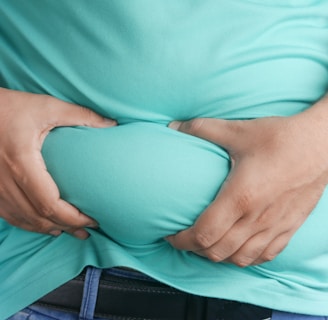
We've all seen it: someone goes keto, drops a bunch of weight quickly… then everything slows to a crawl. The scale barely moves, energy dips, and frustration spikes.
If we're already in ketosis, shouldn't fat just keep melting off?
Not exactly. Ketosis is a powerful tool, but it isn't magic. Hormones, habits, stress, and even how we structure our meals can all either accelerate or slow down fat loss.
What Is Ketosis And Why It Can Accelerate Fat Loss
Ketosis is a metabolic state where our body shifts from primarily burning glucose (from carbs) to burning fat and ketones for fuel.
Normally, we eat carbs → blood sugar rises → insulin rises → we store and burn glucose. When we cut carbs low enough (typically under ~20–50 g of net carbs per day for most people), liver glycogen runs low. Our liver starts converting fat into ketone bodies (beta-hydroxybutyrate, acetoacetate, and acetone), which our brain and muscles can use as fuel.
Why ketosis can speed up fat loss
When we're in ketosis and energy intake is controlled, several things work in our favor:
Better access to stored fat: Lower insulin makes it easier for our body to release stored fat from adipose tissue. Think of insulin as a "storage" signal, less of it generally means more fat leaving our fat cells.
More stable appetite: Many of us notice fewer cravings and reduced hunger on keto. Higher protein and ketones themselves both help with satiety, which makes a calorie deficit easier to maintain.
Reduced blood sugar swings: Without big glucose spikes and crashes, we're less likely to overeat or binge.
Possible metabolic edge: Some studies suggest a mild increase in energy expenditure on very low-carb diets, though the effect isn't huge. We shouldn't rely on this alone, but it can help on the margins.
Put simply: ketosis gives us a fat-burning environment and makes sticking to a fat-loss friendly diet easier. But it doesn't guarantee linear or effortless weight loss, which brings us to the next point.
Why Weight Loss Can Stall Even When You Are In Ketosis
Being in ketosis isn't a free pass to eat unlimited calories. We can absolutely be in ketosis and maintain, or even gain, weight.
Here are the biggest reasons we see weight loss stalls on keto:
1. We're eating more calories than we think
Keto foods like nuts, cheese, cream, and fat-based sauces are very calorie-dense. It's easy for portions to creep up. Even if we're burning mostly fat, we'll burn dietary fat first, then body fat. If intake matches or exceeds output, the scale won't move.
2. "Keto" junk food and constant snacking
Low-carb desserts, bars, and snack foods make staying in ketosis easier, but they can also keep us in a constant "fed" state. Frequent eating means less time when insulin and energy intake are low enough for our body to really tap into stored fat.
3. Hidden carbs and creeping carb intake
Sugar alcohols, sauces, dressings, and "just a bite" of this or that can push us out of a meaningful deficit, or even out of ketosis if carbs climb too high. We might still feel "keto-ish," but metabolically we're not where we think we are.
4. Water, glycogen, and the illusion of a plateau
Early on, keto causes a big drop in water weight as we deplete glycogen. After that, the rate slows to true fat loss, maybe 0.5–1.0 lb per week for many of us. That can feel like a stall compared to the dramatic first week.
Plus, if we're lifting or stressed, we might be holding onto water. The scale can stay flat for 1–2 weeks while we're actually losing fat.
5. Hormones, sleep, and stress
High stress and poor sleep raise cortisol and can increase appetite, reduce insulin sensitivity, and change where we store fat (more abdominal). Even with perfect macros, chronic stress can make fat loss slower and more erratic.
6. Metabolic adaptation
As we lose weight, our basal metabolic rate naturally goes down, we're literally carrying around fewer pounds. Our body can also adapt to a long-term deficit by becoming more efficient and burning fewer calories at rest. That doesn't mean we're "metabolically broken," but it does mean we sometimes need to adjust our strategy over time.
Understanding these stall factors is the first step. Next, we'll layer on specific, science-backed hacks to speed up weight loss while staying in ketosis.
Seven Science-Backed Hacks To Speed Up Weight Loss In Ketosis
Here are seven strategies we can stack to safely speed up fat loss without burning out or wrecking our hormones.
1. Dial in protein (and don't fear going a bit higher)
Many of us under-eat protein on keto because we're afraid of "kicking ourselves out of ketosis." In reality, for most healthy people, a moderate-to-high protein intake supports fat loss:
Protein preserves lean muscle, which keeps our metabolism higher.
It has the strongest satiety effect of any macronutrient.
It has a higher thermic effect, our body burns more calories digesting it.
A practical target: 0.7–1.0 grams of protein per pound of goal body weight for most active adults, assuming no medical contraindications. For someone aiming for 150 lb, that's roughly 105–150 g per day.
We stay in ketosis by keeping carbs low and controlling overall calories, not by starving ourselves of protein.
2. Create a clear, sustainable calorie deficit
To speed up weight loss in ketosis, we still need a calorie deficit. Ketosis makes that easier, but doesn't replace it.
We don't need to obsess over every gram, but we should:
Get an estimate of our maintenance calories (via a calculator or tracking for 1–2 weeks).
Create a moderate deficit of ~15–25% below maintenance to start.
Use the scale trend, measurements, and how our clothes fit over 2–3 weeks to adjust.
Going extremely low (like 800–1,000 calories) can backfire by increasing hunger, fatigue, and muscle loss. A moderate deficit is much more sustainable and usually just as effective over a few months.
3. Use strategic intermittent fasting (not all-day starvation)
Intermittent fasting pairs naturally with keto because our blood sugar and hunger are more stable. The goal isn't to suffer: it's to compress our eating window so we:
Spend longer periods in a low-insulin, fat-burning state
Reduce mindless snacking
Make the calorie deficit easier to hit
Evidence-based, realistic approaches:
16:8 (fast 16 hours, eat in an 8-hour window: e.g., 11am–7pm)
14:10 if we're new to fasting or more prone to stress from long fasts
We should still hit our protein target within that window. If fasting is increasing binging or anxiety around food, we dial it back.
4. Prioritize resistance training over endless cardio
Cardio burns calories while we're doing it. Resistance training (weights, bands, bodyweight) has deeper, longer-term benefits:
Preserves or builds muscle, which keeps resting metabolism higher
Improves insulin sensitivity, helping us handle carbs better long term
Tightens and shapes our body composition as we lose fat
For most of us, 2–4 resistance training sessions per week is enough:
Focus on big movements: squats, hinges, pushes, pulls, lunges.
Use challenging loads where the last 2–3 reps of each set are hard but doable with good form.
We can add light-to-moderate walking or cycling on non-lifting days to increase calorie burn and support recovery.
5. Be ruthless about "liquid and sneaky calories"
We stay in ketosis but still stall because a lot of calories (and sometimes carbs) sneak in via:
Cream-heavy coffee drinks
Keto desserts and fat bombs
Cheese and nuts eaten straight from the bag
Oils and dressings we don't measure
Liquid and "add-on" calories rarely keep us full but add up quickly.
To speed up fat loss, we can:
Keep coffee mostly black or use measured amounts of cream/creamers
Limit or pre-portion nuts, cheese, and keto treats
Measure oils and dressings instead of free-pouring
We don't need to fear fat: we just need to be intentional with where it comes from.
6. Tighten up sleep and stress management
This is the unsexy hack that often moves the needle the most.
Poor sleep (under ~7 hours) and chronic stress are linked to:
Higher levels of ghrelin (hunger hormone)
Lower levels of leptin (satiety hormone)
Increased cravings for calorie-dense foods
Higher cortisol, which can make fat loss, especially from the midsection, slower
We can't control everything, but we can:
Aim for 7–9 hours of sleep most nights
Keep a consistent sleep/wake schedule
Use simple stress tools: 5–10 minutes of walking, deep breathing, or light stretching daily
If everything else looks good on paper but the scale's stuck, stress and sleep are often the bottleneck.
7. Periodically reassess and adjust macros
As we lose weight, the "same" macros can effectively become maintenance.
Every 4–6 weeks, it helps to:
Recalculate our estimated maintenance calories at our new weight
Adjust our daily calories to maintain that 15–25% deficit if we're still aiming to lose
Re-check protein (still 0.7–1.0 g per lb of goal body weight)
Split the remaining calories between fat and a very low carb target that keeps us in ketosis
Some of us do better with slightly higher protein and slightly lower fat within a keto framework: others prefer higher fat. The key is to keep carbs low, protein adequate, and total calories aligned with our goal.
By layering these seven hacks, we create a powerful, sustainable framework to speed up weight loss in ketosis. Next, let's put it into a concrete 7-day plan.
Sample 7-Day Plan To Put These Hacks Into Practice
This sample 7-day structure shows how we might combine ketosis, intermittent fasting, protein focus, and training. It's a template, not a strict rulebook, feel free to adjust times and foods to fit our life and preferences.
Daily structure (for all 7 days)
Eating window: 11am–7pm (16:8), or 10am–8pm if we prefer 14:10
Macros focus:
Protein: 0.7–1.0 g per lb of goal body weight
Carbs: generally 20–30 g net per day (or whatever level keeps us in ketosis)
Remaining calories from fat
Within the window, we'll do 2 main meals + 1 optional snack, all built around protein.
Training schedule (example)
Day 1 (Mon): Full-body resistance training
Day 2 (Tue): 30–45 min brisk walking
Day 3 (Wed): Full-body resistance training
Day 4 (Thu): Light activity (walk, yoga, mobility)
Day 5 (Fri): Full-body resistance training
Day 6 (Sat): Longer walk or light hike
Day 7 (Sun): Rest or gentle stretching
Example day of eating (use variations all week)
First meal (around 11am–12pm)
3 eggs cooked in 1 tsp butter or avocado oil
3–4 oz smoked salmon or turkey
Side of sautéed spinach or greens
Coffee with a measured amount of cream (or black)
Optional snack (2–4pm, only if hungry)
1–2 oz cheese or 1 small handful (about 1 oz) of nuts
Raw cucumber or celery sticks
Second meal (5:30–7pm)
5–7 oz grilled meat or fish (chicken thighs, steak, salmon, pork, tofu if plant-based)
Large serving of low-carb veggies (broccoli, cauliflower, asparagus, zucchini) with olive oil or butter
Side salad with leafy greens, olive oil, vinegar, and salt
How to use this over 7 days
Across the week, we can:
Rotate proteins (chicken, beef, fish, eggs, turkey) to avoid boredom.
Change veggies and seasonings to keep meals interesting.
Keep desserts to occasional, planned treats, ideally once or twice a week, not nightly.
Each night, we do a quick check-in:
Did we hit our protein range?
Did we stay within our carb limit and eating window?
Did we keep snacks, liquid calories, and "extras" under control?
How was our sleep and stress today?
This simple reflection helps us spot patterns before they turn into long stalls.
Conclusion
Speeding up weight loss in ketosis isn't about finding a single magic trick. It's about stacking a handful of smart, realistic habits that work together: enough protein, a real (but moderate) calorie deficit, strategic fasting, strength training, and better control over sneaky calories, sleep, and stress.
When we combine these with periodic macro adjustments, ketosis becomes more than "eating low carb", it becomes a structured, powerful fat-loss approach.
If we're currently stalled, the most useful next step is to pick one or two of these hacks to tighten up this week, track portions more carefully, add two lifting sessions, or lock in a consistent sleep schedule. Then we let the data (our body weight trend, measurements, and how we feel) guide the next adjustment.
With a bit of patience and a clear plan, ketosis can absolutely help us lose fat faster, without feeling like we're fighting our body the entire way.


Your health journey starts with smart choices.
© 2025. All rights reserved.